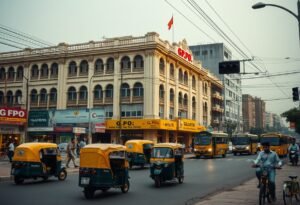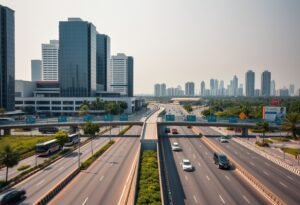
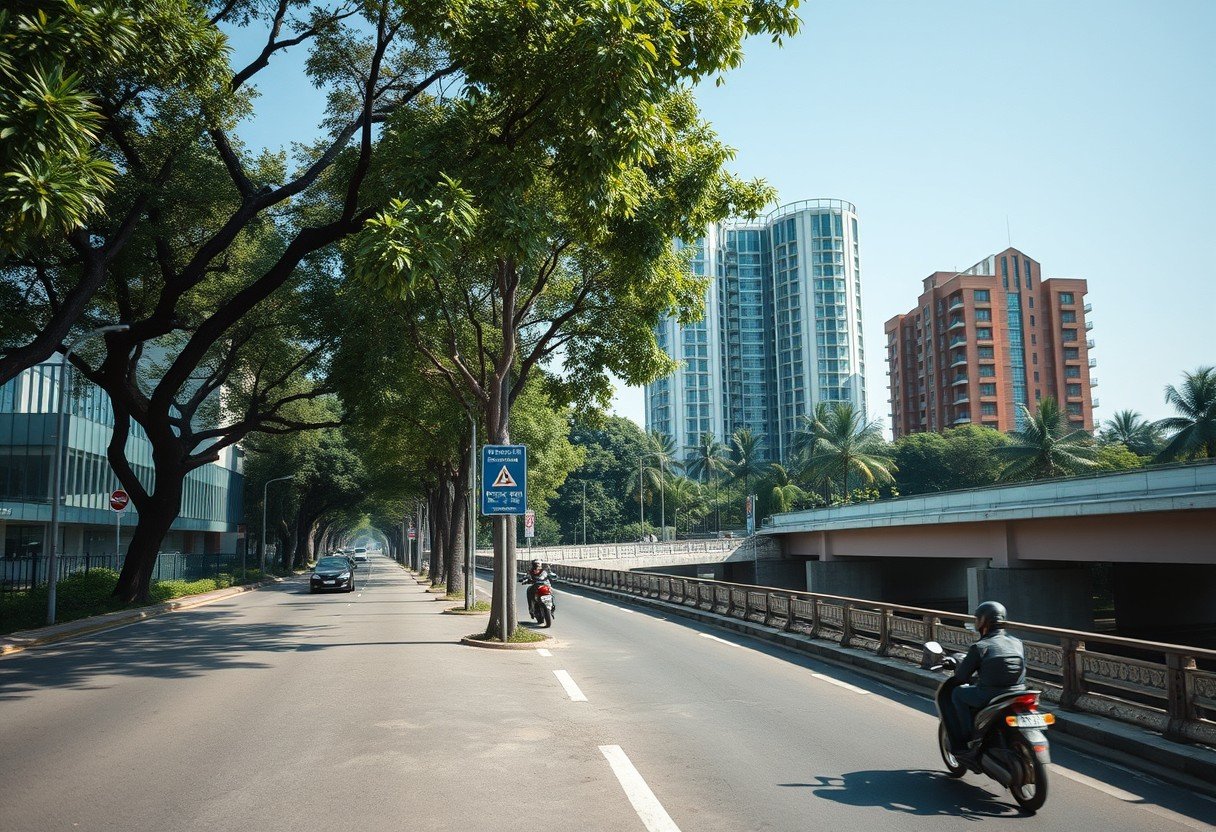
Most residents in 600020 Adyar already know they live where tree-lined avenues meet top-tier schools and quiet innovation. You’re surrounded by institutions that shape young minds, tech ventures operating from heritage bungalows, and homes that blend colonial charm with modern comfort. This is a neighborhood where education, digital enterprise, and residential elegance coexist without fanfare.
Key Takeaways:
- Adyar’s educational ecosystem includes institutions like the Institute of Mathematical Sciences and proximity to the University of Madras, making it a hub for advanced research and academic collaboration, particularly in STEM fields.
- Technology firms, especially startups focused on edtech and environmental software, have established offices in the area, drawn by the concentration of skilled graduates and reliable infrastructure.
- Premium residential developments such as tree-lined bungalows and modern high-rises coexist with conservation zones, reflecting a neighborhood that balances urban growth with ecological sensitivity and heritage preservation.
The Scholar’s Retreat by the Water
Adyar’s quiet banks along the river have long drawn those in pursuit of knowledge and stillness. You find yourself surrounded by leafy campuses and research centers where academic rigor meets contemplative space. The air carries the rustle of palm leaves and the soft murmur of study groups beneath shaded verandas. This is where learning extends beyond classrooms into the rhythm of the environment.
Institutions of high repute
Several nationally recognized institutions call Adyar home, including the prestigious Cancer Institute (WIA) and the Adyar Cancer Care Foundation. You benefit from proximity to centers where medical research and postgraduate education intersect. Academic excellence is woven into the neighborhood’s identity through longstanding affiliations with research-driven organizations and specialized training centers.
The legacy of the Theosophical Society
The Theosophical Society’s presence since the late 19th century shaped Adyar’s intellectual and spiritual character. You walk past its sprawling campus where scholars and seekers once gathered under banyan trees. Its library and lecture halls continue to host discourse blending science, philosophy, and ancient wisdom, maintaining a tradition of open inquiry.
Founded in 1875 and relocated to Adyar in 1882, the Theosophical Society established a global network of thought that influenced education and esoteric studies. You encounter its impact in the neighborhood’s emphasis on holistic learning and intercultural dialogue. The society’s publishing arm has disseminated texts on comparative religion and metaphysics for over a century, contributing to Chennai’s reputation as a center for alternative and classical scholarship. Its campus remains a living archive, open to researchers exploring the intersections of Eastern and Western philosophies.
The New Wheels of Digital Industry
Digital transformation in Adyar is no longer confined to startup hubs or isolated IT offices. You now see it embedded in the daily rhythm of local enterprises, from edtech incubators operating out of heritage bungalows to cloud-based tutoring platforms managed by educators working blocks from the creek. The neighborhood’s intellectual depth feeds a quieter, more sustainable kind of tech evolution.
Tech parks and the modern clerk
A short commute from Adyar’s residential core, Tidel Park and its peers house thousands of professionals whose work supports everything from university e-learning portals to municipal data systems. You no longer need to travel to OMR to be part of the digital workforce. These campuses have redefined the career path of the modern clerk, blending administrative tradition with real-time digital processing.
Connectivity to the southern corridors
Your access to the southern tech corridor improves significantly when based in Adyar. Direct routes to Rajiv Gandhi Salai and the Chennai Bypass allow under-an-hour commutes to major corporate zones. Public transit upgrades and dedicated bus lanes further reduce travel friction, linking you efficiently to satellite hubs in Siruseri and Durgam Cheruvu.
Chennai’s southern expansion has turned Adyar into a strategic launchpad rather than just a residential endpoint. You benefit from proximity to both emerging innovation districts and established academic centers, creating a rare synergy between research and deployment. Fiber-optic infrastructure now runs beneath older neighborhoods, ensuring your home office or co-working setup performs as reliably as a data center. This quiet integration of legacy and bandwidth defines the area’s digital advantage.
Stately Homes and Shady Lanes
Adyar’s residential character reflects a quiet dignity, shaped by decades of careful growth and a preference for understated elegance. Tree-lined avenues frame neighborhoods where heritage and modernity coexist without friction. You encounter homes set behind flowering shrubs and gated drives, where privacy is maintained without ostentation. The area attracts families, academics, and professionals who value space, greenery, and a sense of permanence in an evolving city.
Tree-lined avenues of the elite
Drives like 3rd Main Road and Club Road are shaded by rain trees and banyans that have grown for generations, forming canopies that soften the Chennai sun. These streets host embassies, cultural centers, and residences of prominent figures in law, medicine, and education. You pass homes with colonial-era facades standing beside discreet modern villas, each property reflecting a preference for restraint over display.
The charm of old bungalows and new apartments
Original bungalows with tiled roofs and verandahs still stand alongside boutique apartment complexes designed for multi-generational living. You find homes with large courtyards and cross-ventilation, built for the coastal climate, now complemented by new constructions that integrate solar panels and rainwater harvesting. The mix preserves neighborhood scale while accommodating contemporary needs.
One bungalow near the Adyar River, over eighty years old, retains its Burma teak doors and original mosaic flooring, recently restored by an architect who moved back from abroad. Nearby, a six-unit apartment building on 7th Cross Street offers elevator access and secure parking, yet maintains a low profile with vertical gardens and stone cladding. You see how design sensitivity allows renewal without erasing history, a balance increasingly rare in fast-developing parts of the city.
The Palate of the Programmer and the Pedagogue
Adyar’s dining culture mirrors its intellectual and creative energy, where morning code sprints end with steaming cups of filter coffee and classroom debates spill into conversations over dosas. You move between institutions, startups, and quiet streets where food anchors community, shaping a rhythm that balances rigor with ritual.
Traditional filter coffee and tiffin rooms
Old-style tiffin rooms line 100 Feet Road, serving crisp idlis and strong filter coffee in steel tumblers. You join teachers, students, and remote workers at Formosa, Sri Krishna, and Murugan Idli Shop, where decades-old recipes draw crowds before 9 a.m. The aroma of roasted coffee beans and ghee signals the start of another productive day.
Global flavors for the contemporary resident
Modern apartments and co-working hubs have brought demand for diverse dining, met by artisanal cafes and fusion kitchens. You choose between Japanese ramen, wood-fired pizzas, or cold-pressed juices after a meeting at the Adyar Ananda Bhavan complex, where global tastes now sit comfortably beside local staples.
A mid-sized SaaS firm’s employees often gather at Karpagambal Mess for lunch on Fridays, blending tradition with flexibility, while nearby, a boutique café offers almond milk lattes and vegan pastries to consultants and educators. International grocery deliveries and pop-up supper clubs reflect a shift in expectations, where convenience and variety coexist without diluting the neighborhood’s character. You adapt not by abandoning routine, but by expanding it.
A Sanctuary for the Winged and the Wise
Adyar blends intellectual energy with ecological calm, offering rare urban balance. You find research scholars walking near heron-filled wetlands, students cycling past centuries-old banyans. The neighborhood sustains both academic rigor and natural serenity, making it a haven where thought and biodiversity thrive side by side.
The green lungs of the Adyar Estuary
The Adyar Estuary spans over 350 acres of mangroves, mudflats, and brackish water channels. You observe kingfishers diving at dawn and spot monitor lizards slipping between roots. This restored ecosystem filters pollutants, buffers floods, and supports more than 80 bird species amid the city’s sprawl.
Flora and fauna of the Huddleston Gardens
Huddleston Gardens shelter towering rain trees, fragrant frangipani, and clusters of wild jasmine. You might see a palm squirrel darting across pathways or hear the call of a white-breasted waterhen near the pond. Native and ornamental plants coexist here in a carefully maintained botanical mosaic.
Over 60 plant species have been documented in Huddleston Gardens, including rare specimens like the Burmese rosewood and the Indian cork tree. You encounter spotted doves foraging beneath canopy cover while fruit bats roost in dense foliage above. The garden’s microhabitats support amphibians, reptiles, and migratory insects, contributing to the area’s ecological continuity within a densely populated zone.
The Gentle Hum of the Neighborhood
Life in Adyar moves with a quiet rhythm, shaped by morning walkers along the river, the chime of temple bells, and the steady flow of students heading to coaching centers. You hear it in the soft rustle of rain trees lining residential streets and the occasional call of a vendor passing through gated communities. This is a neighborhood that breathes with routine, yet remains alive with understated energy.
Cultural hubs and community gatherings
Adyar Ananda Vikatan’s legacy lives on in its literary salons and small theater groups that regularly host readings and performances. You find residents gathering at the Madras Music Academy during season, or attending art exhibitions at DakshinaChitra’s outreach spaces. Community halls near Kalakshetra see weekly classical recitals, where neighbors meet over filter coffee after a Bharatanatyam recital.
The balance of tradition and progress
Old homes with tiled roofs stand beside glass-fronted apartments where tech professionals raise families. You see temple festivals celebrated with the same enthusiasm as startup networking events at co-working spaces near Sardar Patel Road. This is a place where ancestral customs coexist with digital routines, not in conflict but as complementary threads.
Temples like the Adyar Kamakshi still draw devotees at dawn, their rituals unchanged for generations, while nearby, parents enroll children in coding bootcamps after school. You might attend a Carnatic vocal workshop in the morning and a robotics demo at a neighborhood school by evening. At the local bookstore, shelves hold both ancient Tamil poetry and the latest UX design manuals, reflecting a community that values continuity without resisting change.
Conclusion
You find in 600020 Adyar Chennai a rare alignment of intellectual depth, technological engagement, and residential refinement. Educational institutions draw committed learners, tech ventures operate with quiet momentum, and tree-lined streets frame homes that balance luxury with lived-in grace. Your experience here reflects a neighborhood that advances without losing its rooted character, where schools, startups, and shaded verandas coexist in steady harmony.