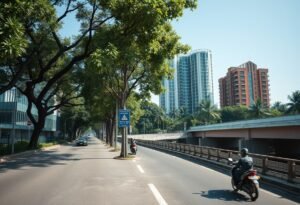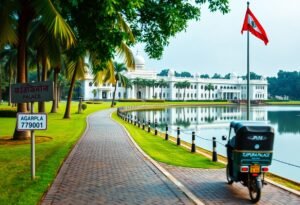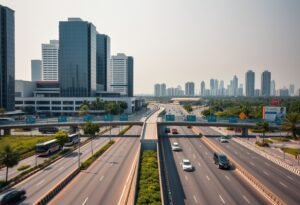
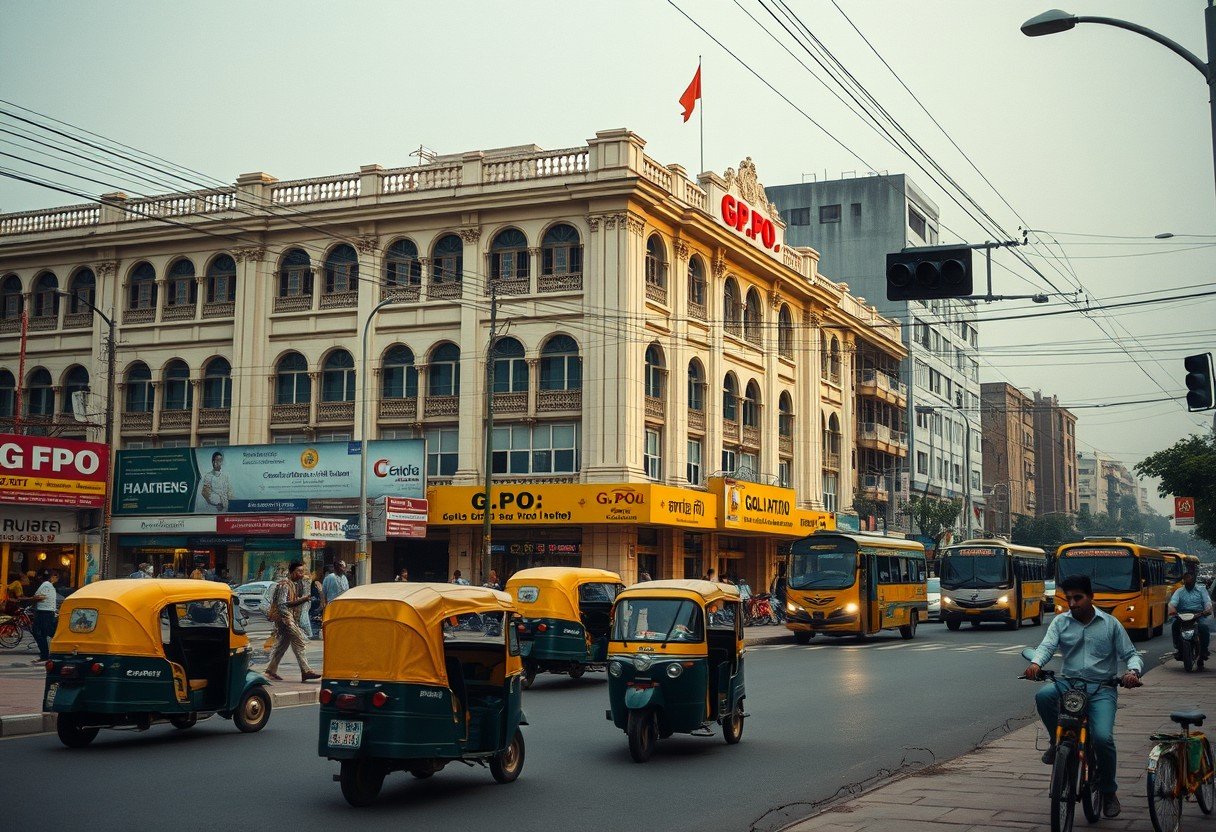
Shopping in Abids places you at the heart of Hyderabad’s oldest urban commercial hub, where the pincode 500001 marks not just a location but a legacy of trade, culture, and city life. You walk streets lined with century-old buildings, bustling foot traffic, and shops that have defined South India’s retail evolution since the early 1900s.
Key Takeaways:
- 500001, covering Abids and Hyderabad GPO, anchors one of the city’s oldest commercial hubs, where colonial-era infrastructure supports a dense network of retail, banking, and public services.
- The area hosts landmark institutions like the Moazzam Jahi Market and State Bank of India’s regional office, reflecting a blend of early 20th-century urban planning and sustained economic activity.
- Despite rising competition from suburban malls, Abids maintains footfall through affordable retail, medical services, and transport connectivity, serving as a daily destination for tens of thousands from across Hyderabad.
The Pincode of Heritage
Your presence in 500001 ties you to a legacy far beyond postal logistics, where Abids Road intersects with history at Hyderabad GPO. This pincode wraps around colonial-era buildings, early 20th-century banks, and the original storefronts that defined Telangana’s urban commerce, anchoring your experience in a district that shaped the city’s commercial identity long before digital transactions existed.
The Commerce of Yesteryear
You walked these streets a century ago to barter for silk, spices, and handcrafted brass, when Abids operated as Hyderabad’s mercantile heart long before malls and digital transactions. Family-run textile shops like Nizamia Stores anchored the bazaar, their wooden counters worn smooth by generations of haggling. Traders from Persia and Gujarat once converged here, drawn by the Deccan’s thriving trade routes, turning the district into a commercial crossroads under the Nizams’ rule. Horse-drawn carriages delivered goods to storefronts that still stand behind newer facades, their iron grilles etched with floral patterns from a bygone era. Banking houses such as the historic Hyderabad Safe Deposit Vault opened their vaults to merchants dealing in gold and promissory notes, operating on trust and handwritten ledgers. Even the pavement vendors sold more than wares-they exchanged news, gossip, and regional proverbs in a rhythm that shaped daily commerce. You still hear echoes of that world in the call of the tea seller at dawn or the ledger-keeper balancing accounts with chalk on a slate board outside his stall.
Culinary Landmarks
Abids has long been a destination for those seeking bold, authentic flavors rooted in Hyderabadi tradition. You’ll find Irani cafés serving steaming keema pav since the 1950s alongside modern food courts catering to young professionals. At the corner of Sultan Bazar, a modest eatery known for its spicy mutton rolls draws crowds daily, a testament to the area’s enduring street food culture. Explore the side lanes and you’ll encounter century-old bakeries and sweet shops still using original recipes. For a deeper look at how food shapes the identity of this bustling hub, visit the Abids Shopping District feature on Telangana360.
Architectural Splendor
You walk past facades where stately columns and arched windows reflect a colonial past, blended with Art Deco motifs from the early 20th century. Iron-latticed balconies and weathered stone carvings still mark the upper levels of ground-floor retail spaces, remnants of a time when form accompanied function. A mid-sized SaaS firm now occupies what was once a textile emporium, its glass facade contrasting with the original cornices preserved beneath.
Modern Rhythms
You move through Abids today and feel the pulse of a district adapting without losing its character. Glass-fronted retail chains stand beside century-old bookstores, while food courts share space with legendary Irani cafes. A mid-sized SaaS firm opens an office above a textile emporium, drawing young professionals into a neighborhood once dominated by clerks and traders. Mobile payment kiosks appear at street stalls selling roasted corn, blending digital convenience with daily commerce. Traffic hums past heritage buildings now housing co-working spaces, their balconies framing a skyline dotted with neon signs in Telugu, Urdu, and English. This is not a reinvention but a layered evolution, where each generation leaves its mark without erasing the one before.
Summing up
You experience the pulse of Hyderabad’s urban evolution in 500001, where Abids and the GPO stand as enduring markers of commercial ambition and cultural continuity. Daily footfall runs into the tens of thousands, drawn by legacy retailers, government services, and transit connectivity. You walk streets lined with Art Deco facades and neon-lit eateries, where the flow of pedestrians mirrors the district’s unrelenting rhythm. You see a mid-sized SaaS firm occupy the upper floors of a 1960s office block, a quiet signal of how tradition and reinvention coexist here.