Most who pass through Pune’s 411001 zip past its military checkpoints without noticing the layers beneath, yet you walk where Maratha generals once strategized, British regiments drilled, and traders supplied armies and empires. This pincode binds defence infrastructure, colonial memory, and commercial energy into a single urban fabric, shaping one of western India’s most strategically rooted localities.
The Garrison’s Iron Grip
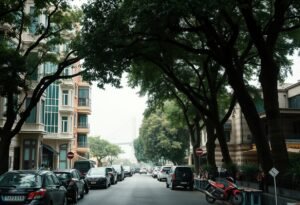
You feel its presence in the disciplined grid of Cantonment streets, where military precision shaped Pune’s urban spine. Established in 1817 after the fall of the Peshwa, the British garrison anchored colonial control, embedding barracks, parade grounds, and regimental churches into the city’s fabric. Even today, the 21st Garrison Division operates from here, maintaining a strategic foothold amid evolving defense needs. Military zones like Khadki and Dehu Road remain active, hosting ordnance factories and training institutes that employ thousands. Civilian life adapts around their rhythms, with restricted access and sudden silences when convoys pass. This enduring military imprint doesn’t just occupy land-it influences movement, zoning, and even real estate patterns across the southern corridor. A mid-sized SaaS firm relocating to Hinjewadi must still account for buffer zones and security protocols rooted in this legacy. The garrison’s reach extends beyond defense, subtly directing how commerce and community unfold in its shadow.
Shadows of the Maratha and the Crown
Under British rule, Pune’s strategic value drew military and administrative focus, reshaping its urban fabric while preserving echoes of Maratha legacy. You walk streets where 19th-century cantonment planning met indigenous settlement patterns, revealing layers of resistance and adaptation. Explore the History of DLA to uncover how defense logistics evolved amid these shifting powers.
The Merchant’s Busy Tread
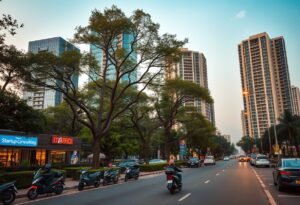
You walk streets where bullock carts once carried grain to regional markets, now replaced by delivery vans threading through wholesale hubs in Loha Bazaar and Budhwar Peth. Every alley in 411001 hums with transactions that predate the British cantonment, from brassware shops operating for three generations to textile merchants supplying across Maharashtra. Your presence in this commerce is not incidental; it continues a legacy where trade routes converged beneath the shadow of Sinhagad Fort, feeding armies and civilians alike. Even today, the morning rush sees porters unloading sacks of spices near Tilak Road, just as they did a century ago, sustaining Pune’s enduring rhythm of exchange.
The Flavors of the Frontier
You taste history in every bite here, where military rations once shaped simple meals into enduring local staples. Canteen-style eateries near Khadki cantonment still serve spiced lentils and flaky parathas much like they did a century ago. Mess culture introduced disciplined meal structures, but soldiers from across India brought regional spices that quietly transformed Pune’s palate. You’ll find echoes of Rajasthani dry curries and Assamese fermented teas in corner stalls, adapted over decades into something uniquely Pune. Even today’s bustling food trucks near Camp supply quick, hearty fare that mirrors the city’s enduring frontier appetite.
A Symphony of Stone
You walk past the weathered façades of Pune’s colonial barracks, where limestone blocks laid a century ago still bear the chisel marks of forgotten masons. Each structure in this garrison city follows a precise architectural rhythm, blending cantonment utility with Victorian ornamentation. At the old military hospital, arched verandahs frame morning light just as they did during British medical inspections. Red-tiled roofs, thick load-bearing walls, and iron grilles form a material language shaped by defense needs and tropical climate. Even now, renovation crews source black basalt from nearby quarries to match original foundations, preserving continuity in texture and tone. The city’s built environment doesn’t merely stand-it resonates.
The Spirit of the Pincode
You carry 411001 not just as a postal address but as a marker of identity, where military discipline meets entrepreneurial energy and layered history. Each delivery, every addressed envelope, traces a path through cantonment lanes, past colonial bungalows, and into bustling market streets. This pincode binds diverse worlds-regimented barracks, textile showrooms, and tea stalls serving generations-into a single, functioning whole, reflecting Pune’s ability to hold contrast without contradiction.
Final Words
You stand where military discipline, layered history, and commercial energy converge in 411001, Pune’s central postcode. Cantonment barracks from the colonial era face modern banking offices, while food carts serve soldiers and executives alike near MG Road. This pincode does not merely mark a location, it reflects a living rhythm shaped by centuries of strategic importance and continuous reinvention, evident in its streets, institutions, and daily exchanges.