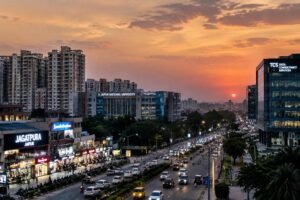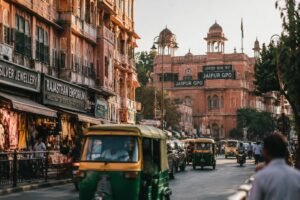
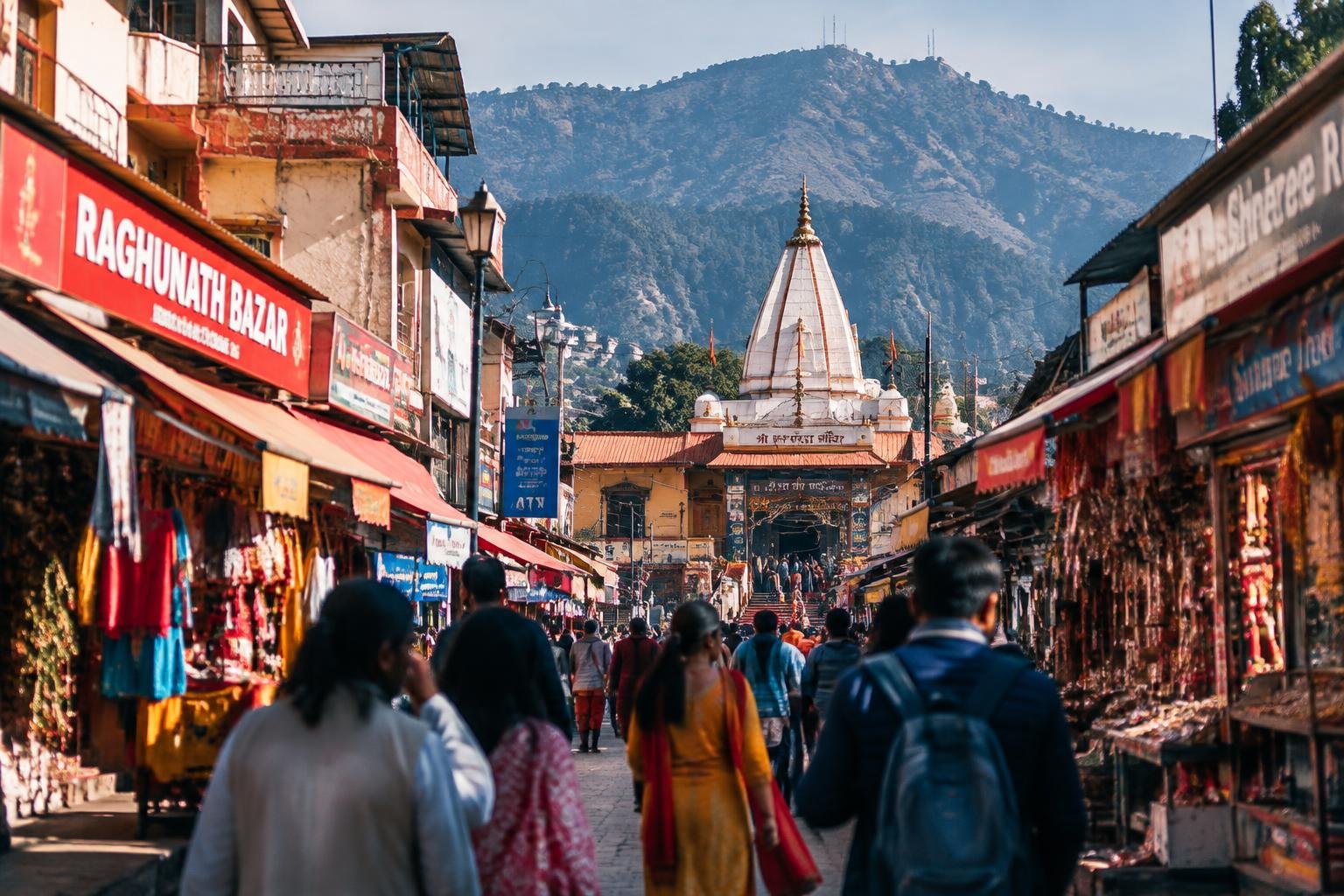
Jammu’s 180001 postal area places you in a city that serves both daily commerce and journeys to major religious sites. As a regional hub, Jammu connects visitors with transport, markets, lodging, and routes toward the Vaishno Devi shrine. Its location on the Tawi River gives you a practical starting point for understanding the city’s role in Jammu and Kashmir.
Understanding Jammu’s Role as a Commercial and Pilgrimage Gateway
Jammu connects communities across the plains and the Himalayan region through trade, public services, and religious travel. As you encounter the city’s markets, transport corridors, and places of worship, you see how its regional role extends beyond its urban boundaries. Jammu serves residents of surrounding districts as well as visitors arriving from elsewhere in India, linking everyday commerce with longstanding pilgrimage traditions. This combination shapes the city’s public life and its place in Jammu and Kashmir.
Commercial links and local economic activity
Across Jammu, you find wholesale trade, retail markets, government offices, and service businesses supporting both local households and nearby districts. The city’s road and rail connections link traders with suppliers and customers across northern India, while markets handle goods ranging from food and household supplies to textiles and crafts. As you explore its commercial role, note how business activity is concentrated around established market areas and transport routes serving the wider region.
Pilgrimage traditions and major destinations
For many visitors, Jammu is associated with the Vaishno Devi shrine at Katra, a major pilgrimage destination in the Trikuta hills. Within the city, the Raghunath Temple complex and Bahu Fort’s Bawe Wali Mata Temple reflect local worship traditions and historic patronage. You encounter pilgrimage as part of the region’s civic and economic life, with religious institutions, lodging, and businesses serving devotees moving through Jammu toward sacred sites.
Types of Trips and Key Places to Visit
Jammu suits itineraries that combine a defined purpose with time for nearby sights. You can build a short visit around a temple, schedule meetings in the city, or use Jammu as a base for exploring historic sites and the foothills. Across these trip styles, transport links, accommodation, and local services serve different needs, from a focused pilgrimage journey to a varied city break. Your choice of destinations shapes how much time you spend in central Jammu.
Pilgrimage, business, and leisure travel
Pilgrimage visitors often travel through Jammu on the way to Shri Mata Vaishno Devi, with Katra serving as the principal base for the shrine journey. Business travelers use Jammu city for government, trade, education, and healthcare appointments, with hotels and commercial areas close to key services. For a leisure stay, you can mix local heritage with food and shopping, or add a day trip to a nearby fort or riverside site.
Jammu city and nearby attractions
Within Jammu city, Raghunath Temple and the Bahu Fort complex offer distinct stops, one centered on temple architecture and the other overlooking the Tawi River. Mubarak Mandi Palace adds a historic complex of courtyards and buildings, while the Amar Mahal Museum presents collections in a former palace setting. Outside the center, you can visit the temples at Purmandal and Uttarbehni or travel toward Mansar Lake for a quieter excursion beyond the urban core.
- Browse traditional crafts and dry fruit in the Raghunath Bazaar area.
- See the ceremonial cannons displayed near Bahu Fort.
- Visit the Dogra Art Museum inside the Mubarak Mandi complex.
Planning Your Visit: Factors and Step-by-Step Tips
Build your Jammu itinerary around the dates you can travel, your arrival point, and the time needed to reach each stop. Seasonal weather and pilgrimage traffic affect road conditions and journey times, while train and flight schedules shape when you can begin moving around the city. Keep some flexibility between scheduled connections, particularly if your plans depend on reaching the Jammu Tawi railway station or Jammu Airport before continuing by road.
Factors that shape your itinerary
Start with the purpose and pace of your visit: a short city stay calls for fewer stops than a pilgrimage itinerary with an early departure for Katra. Winter fog can disrupt flights and slow road journeys, while summer heat makes midday outdoor travel less comfortable. Check the expected weather for your dates, the operating times of planned transport, and any local advisories. Your arrival hour also matters, since late arrivals limit same-day onward travel.
Step-by-step travel planning
First, confirm your travel dates and book the train or flight that fits your arrival needs. Next, map the route from Jammu Tawi or the airport to your accommodation, then arrange onward transport for the following day if needed. Keep tickets, identification, accommodation details, and driver contacts accessible offline. Before departure, check live transport updates and pack for the forecast, including a light layer for cooler mornings or evenings.
- Save your accommodation address in your phone’s map app.
- Carry a charged power bank for long road transfers.
- Keep essential medication in your hand luggage.
Pros and Cons of Visiting Jammu
Jammu offers practical advantages if your trip combines pilgrimage, business, or onward travel, with established transport links and services serving visitors from across the region. Its busy pace and seasonal demand also shape the experience: road journeys can take longer during peak pilgrimage periods, while summer heat can make time outdoors tiring. Weighing these benefits against the demands on your schedule and energy gives you a clearer basis for deciding how long to stay.
Advantages for pilgrims and regional travelers
For pilgrims, Jammu provides a well-connected base for reaching major religious destinations, including the Vaishno Devi shrine at Katra. You can find transport connections, accommodation, banking, and everyday services in the city, making it practical to handle essentials before continuing your journey. Regional travelers also benefit from Jammu’s role as a commercial center, where you can combine family visits or business appointments with onward rail and road travel without relying on a remote stop.
Common limitations and ways to prepare
Peak pilgrimage seasons bring heavier traffic, fuller accommodation, and longer waits for transport, so your itinerary needs room for delays. Summer temperatures can make midday walking uncomfortable, while winter mornings may feel cold, particularly if you are arriving from a milder climate. Build flexibility into connecting journeys, reserve a suitable place to stay during busy periods, and carry clothing for changing conditions. For a road transfer toward Katra, allow extra time during high-demand travel days.
Local Travel Tips and Visitor Essentials
Plan short journeys around Jammu’s busy roads, especially near markets and major places of worship, where traffic and pedestrian movement can slow travel. Keep your hotel address saved offline and carry identification for transport bookings or entry checks. For daily errands, use familiar landmarks such as Raghunath Bazaar when giving directions, and allow extra time for road closures or security checks near prominent sites.
Transport, accommodation, and daily logistics
Auto-rickshaws and app-based cabs cover many city trips, while local buses serve established routes; agree on an auto fare before setting off if the meter is not used. Choose accommodation near your main destinations to reduce cross-city journeys, and confirm the approach road with reception before departure. Carry cash for small purchases, keep a charged phone for bookings, and use prepaid taxi counters at transport hubs when available.
Respectful visits to religious sites
At temples, mosques, gurdwaras, and other religious sites, follow posted instructions and observe how worshippers behave before entering. Remove footwear where requested, dress modestly, and keep your voice low in prayer areas. Ask permission before photographing people or ceremonies, and avoid blocking entrances while taking pictures. During busy worship periods, follow queue directions and leave space for local devotees to reach the shrine.
- Carry a reusable water bottle.
- Keep a light scarf for covering your head where requested.
- Save your accommodation’s phone number for pickup coordination.
Final Words
Jammu’s 180001 postal area places you near the city’s commercial activity and serves as a practical gateway for pilgrimage journeys across the region. You can use Jammu’s transport links and local services to organize visits to the Raghunath Temple, Bahu Fort, and onward routes to the Vaishno Devi shrine at Katra. Your plans should account for seasonal demand and travel time beyond the city, especially when coordinating onward transport from Jammu Tawi railway station.